Metro Manila's 2026 Crossroads: Daily Gridlock Costs and Emerging Infrastructure Solutions
Posted on 1/2/26
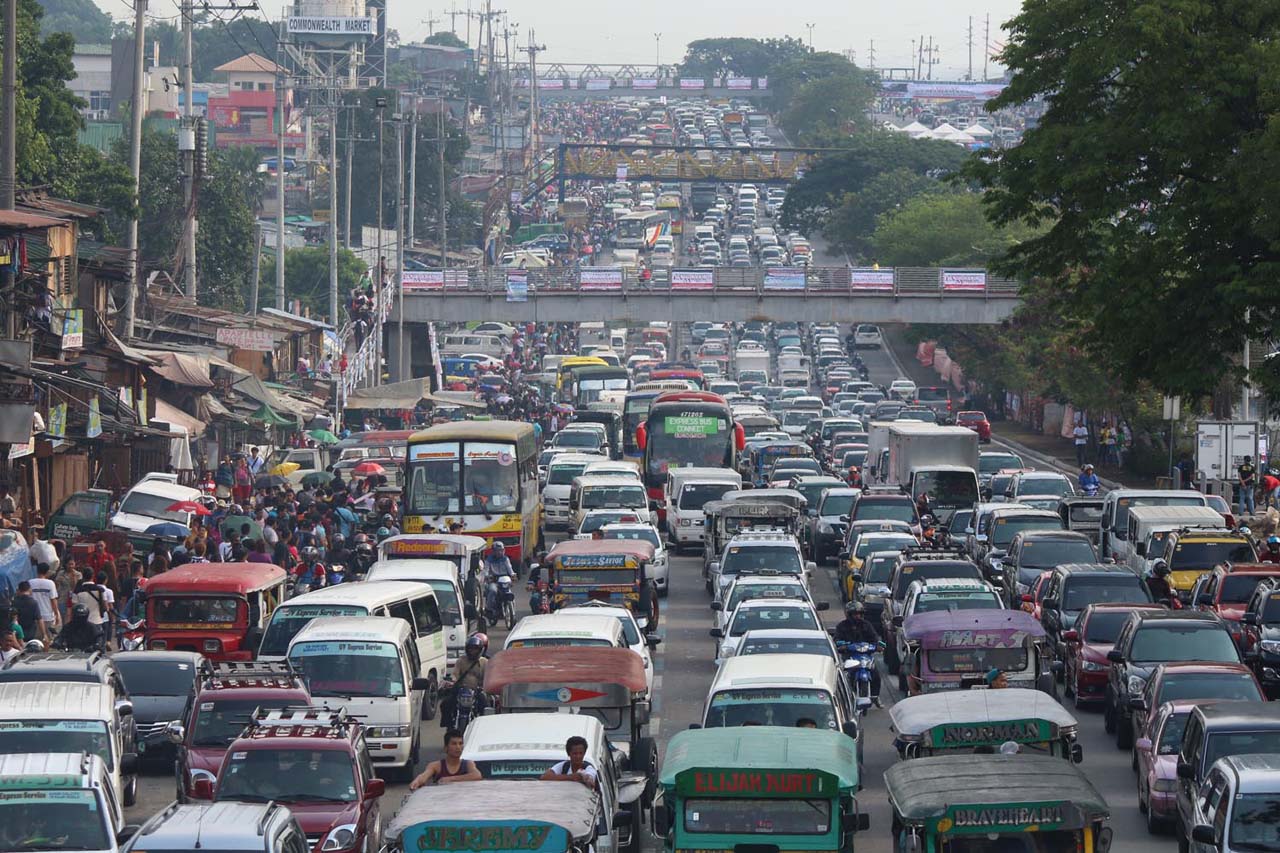
On January 2, 2026, the familiar spectacle of Metro Manila's gridlock returned, a stark reminder of the economic burden that continues to plague the nation's capital. As businesses resume operations after the holiday reprieve, estimates from the Japan International Cooperation Agency (JICA) are back in sharp focus: the Philippines begins the new year losing an estimated ₱3.5 billion daily in productivity. This pervasive congestion is far more than a mere inconvenience; it functions as a substantial, invisible tax on the Philippine gross domestic product, extracted hourly from citizens idling on vital arteries like EDSA and the South Luzon Expressway.
For enterprises meticulously crafting their 2026 budgets, predictability has become an unaffordable luxury. The relentless traffic forces companies to allocate disproportionate resources simply to maintain operational baselines, from supply chain management to client meetings. A logistics firm operating within Manila, for instance, must factor in a significant 'congestion premium,' necessitating more vehicles and personnel to transport the same volume of goods compared to counterparts in less congested Asian cities. These entrenched inefficiencies are already manifesting as localized inflationary pressures, threatening to undermine the nascent consumer recovery the economy strives for this first quarter.
From an investor's vantage point, the initial weeks of 2026 present a landscape of palpable geographic hesitation. Multinational corporations evaluating the National Capital Region are increasingly questioning if the operational overhead of doing business here still outweighs the benefits of its talent pool. Chronic gridlock significantly detracts from the appeal of high-value investments that prioritize seamless movement as much as fiscal incentives. The inability of executives to navigate the city efficiently, such as traveling from Makati to the airport in under an hour, creates friction that could steer headquarters and critical capital towards alternative hubs like Clark or Cebu, risking a potential brain drain before the year fully unfolds.
Perhaps the most immediate and profound impact is borne by the workforce returning to their routines. The average Metro Manila commuter embarks on 2026 facing an annual loss of over 117 hours spent trapped in traffic – precious time that could be dedicated to rest, family, or personal development. This significant productivity leakage ensures that by the time an employee reaches their desk, they have often endured an arduous two-hour journey, severely diminishing their cognitive energy and overall well-being. A physically and mentally exhausted workforce, as we look to the year ahead, represents a substantial drag on national innovation and overall economic output.
Despite the heavy start to January, 2026 is also anticipated to be a pivotal year, marking the emergence of tangible solutions to this pervasive gridlock. This year heralds the first full year of operations for the LRT-1 Cavite Extension Phase 1, which officially opened in late 2025. Thousands of commuters from Parañaque and Pasay are already experiencing relief, bypassing surface-level chaos to reach central Manila in under 30 minutes. Concurrently, the MRT-7 project is advancing through its final testing phases. While its initial twelve stations from North Avenue to Quirino now serve the bustling Fairview corridor, a significant milestone for 2026 is the expected completion of the Tala station in Caloocan, extending the line to the very periphery of the city.
The impact of these infrastructure developments is already catalyzing a significant revaluation across the Fairview and Bulacan corridors. Major real estate developers are now marketing properties not merely as "house and lot" packages, but as opportunities for a mere thirty-five-minute commute to the Makati Central Business District. In the opening days of 2026, property values in areas like San Jose del Monte and North Caloocan have registered speculative jumps of nearly 12% to 18%. This surge signals the practical realization of the "transit-oriented development" model for the middle class, effectively shifting the economic gravity northward and transforming Bulacan from a distant province into a newly viable, connected extension of the urban core.
On a broader macroeconomic scale, the environmental and public health costs associated with chronic congestion are increasingly apparent. The visible smog blanketing the city this January underscores the fiscal burden of rising respiratory illnesses and the colossal carbon footprint generated by millions of idling engines. This year, the Department of Public Works and Highways, operating under a tighter ₱529 billion budget, faces unprecedented scrutiny, with modern satellite monitoring employed to ensure infrastructure funds directly translate into tangible projects. Ultimately, the hope for 2026 lies in the visible construction cranes and the newly operational turnstiles, alongside the anticipated opening of high-capacity stations at Kamuning, Cubao, and Magallanes to enhance the EDSA Busway. To truly make 2026 a turning point, treating traffic as the economic emergency it is—prioritizing robust mass transit and fostering remote work policies—is paramount to decoupling economic growth from physical presence on congested roads.