Daily Trading: SUPERCITY Realty Surges, TKC Metals Plunges Amidst Divergent Trends
Posted on 1/6/26
Local equities saw a day of significant individual stock movements, with a real estate firm leading the charge among gainers while a metals company anchored the list of losers. Investor focus appears to be distributed across various sectors, reflecting a mix of company-specific developments and broader market sentiment.
Top Gainers Shine Bright
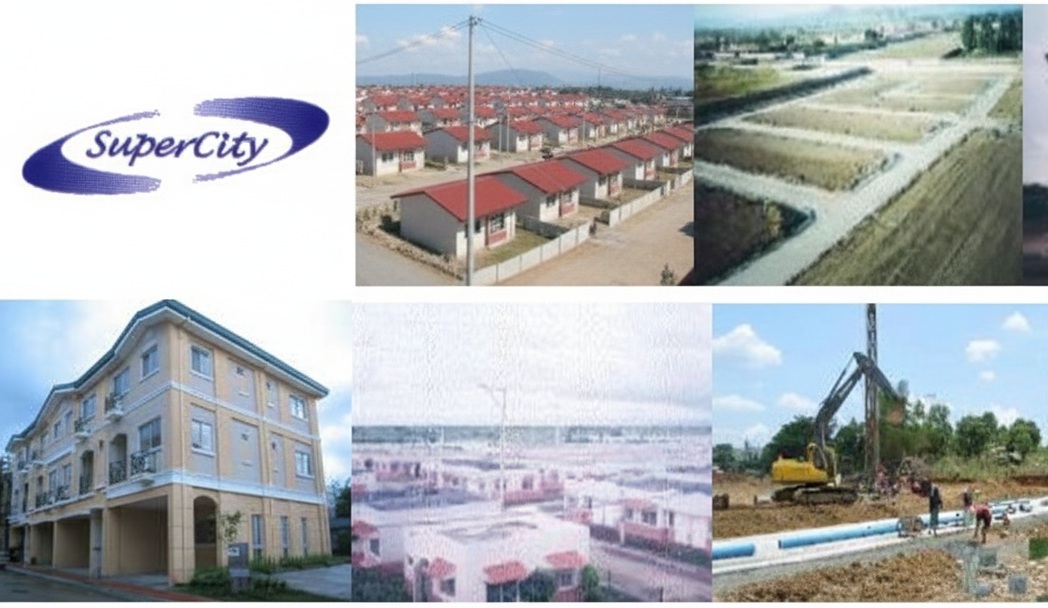
The biggest winner of the trading session was SUPERCITY REALTY DEVELOPMENT CORPORATION (SRDC), which skyrocketed by nearly 50%. The stock closed at 20.45, up by 6.81 or +49.93% from its previous close. This remarkable surge occurred on a volume of 3,600 shares, generating a total value of 73,620.00. While no immediate specific news was widely publicized, such a significant jump often indicates strong investor confidence or anticipation of future developments in its real estate projects.
ANCHOR LAND HOLDINGS, INC. (ALHI) followed, posting a substantial gain of +15.76%. The company's shares increased by 0.61 to finish at 4.48, with 6,000 shares traded for a total value of 26,880.00. The resurgence in the property sector could be contributing to the renewed interest in real estate developers.
ABACORE CAPITAL HOLDINGS, INC. (ABA) also performed strongly, climbing by +12.50%. The stock saw its price increase by 0.035 to 0.315, on robust trading volume of 27,970,000 shares, valuing 8,611,050.00.
Other notable gainers included GOLDEN MV HOLDINGS, INC. (HVN), which rose by +12.08% to 1,118.00, adding 120.50 to its price, with 330 shares traded worth 361,460.00. PRIMEX CORPORATION (PRMX) also advanced by +11.21%, closing at 1.29 after gaining 0.13, with 5,000 shares exchanged for a total of 6,240.00.
Rounding out the top gainers were MEDCO HOLDINGS, INC. (MED), up +8.51% to 0.102; GLOBAL FERRONICKEL HOLDINGS, INC. (FNI), which gained +8.22% to 1.58, potentially on positive sentiment regarding nickel prices; and ANGLO PHILIPPINE HOLDINGS CORPORATION (APO), moving up +7.04% to 0.76.
Telecommunications player DITO CME HOLDINGS CORP. (DITO) also registered a +7.04% increase, closing at 0.76. This comes amidst ongoing efforts by the third telco to expand its network coverage and subscriber base, with recent reports indicating progress in meeting its national coverage commitments. Manulife Financial Corporation (MFC) also posted a respectable +6.91% gain, closing at 2,010.00.
Significant Declines Among Losers
On the flip side, TKC METALS CORPORATION (T) recorded the sharpest decline, shedding -19.32% of its value. The stock dropped by 0.085 to settle at 0.355, with 180,000 shares changing hands for a total value of 67,050.00. The slump could be attributed to fluctuating metal prices or company-specific challenges in the industrial sector.
F&J PRINCE HOLDINGS CORPORATION “A” (FJP) also experienced a steep fall, decreasing by -14.07%. Its price fell by 0.37 to 2.26, with a volume of 3,000 shares and a total value of 6,780.00.
CITYSTATE SAVINGS BANK, INC. (CSB) saw its shares dip by -9.61%. The banking stock closed at 15.42, down by 1.64. Trading activity for CSB involved 4,300 shares, amounting to 66,250.00 in value. Smaller banks sometimes face increased scrutiny in a challenging economic environment or specific capital market conditions.
LODESTAR INVESTMENT HOLDINGS CORPORATION (LODE) was down -8.45%, closing at 0.325. ORIENTAL PETROLEUM AND MINERALS CORPORATION “B” (OPMB) declined by -8.33% to 0.011, while LBC EXPRESS HOLDINGS, INC. (LBC), a key logistics player, decreased by -7.85% to 8.10. The performance of logistics companies like LBC often correlates with consumer spending trends and operational costs.
BALAI NI FRUITAS INC. (BALAI) also lost -7.04% of its value, closing at 0.33. Discovery World Corporation (DWC) slipped by -6.25% to 1.05. PHILIPPINE ESTATES CORPORATION (PHES) and PHILIPPINE RACING CLUB, INC. (PRC) also ended the day lower, with declines of -6.25% to 0.30 and -5.71% to 6.60, respectively.
Today's trading session highlights the diverse factors influencing individual stock performances, from sector-specific tailwinds in real estate to potential headwinds affecting industrial and financial firms.